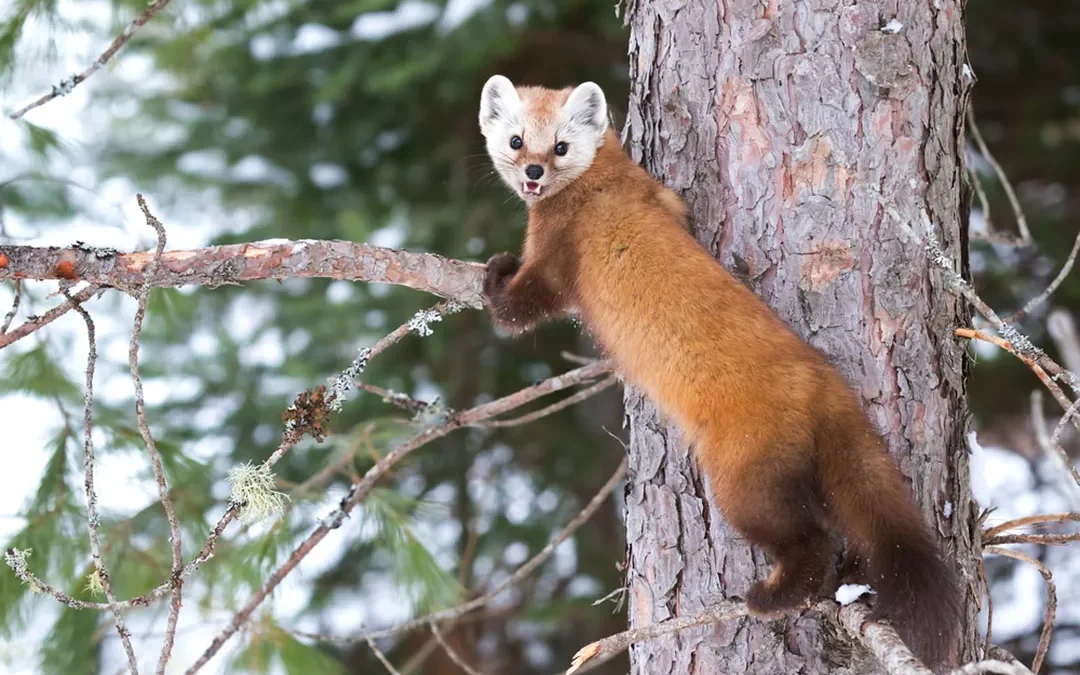
(Also called the American marten — “martre d’Amérique”)
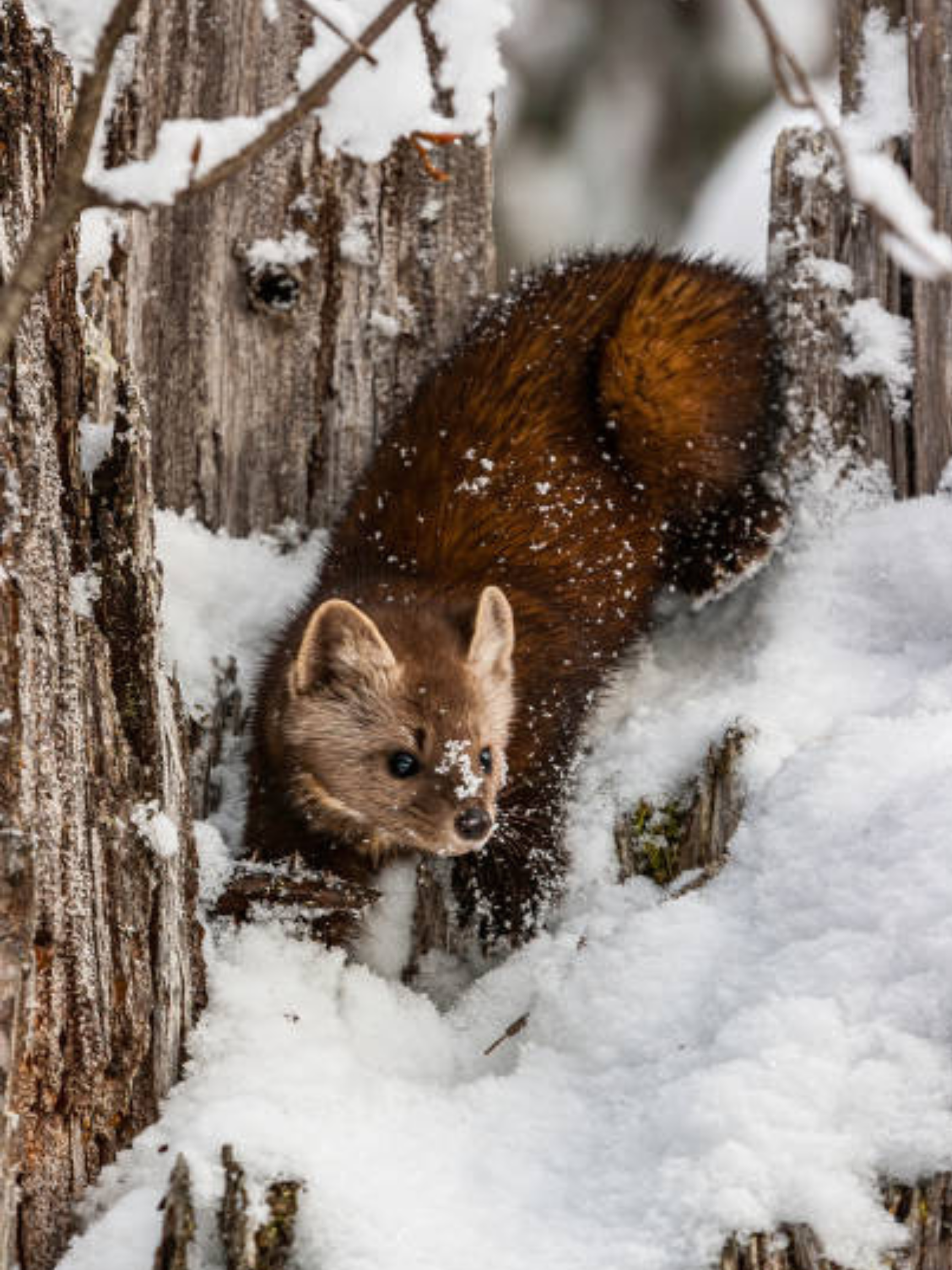
In Québec, what many people call the “pine marten” is usually the American marten (Martes americana). It’s a sleek, tree-loving member of the weasel family found across the northern forests of North America. (U.S. Forest Service)
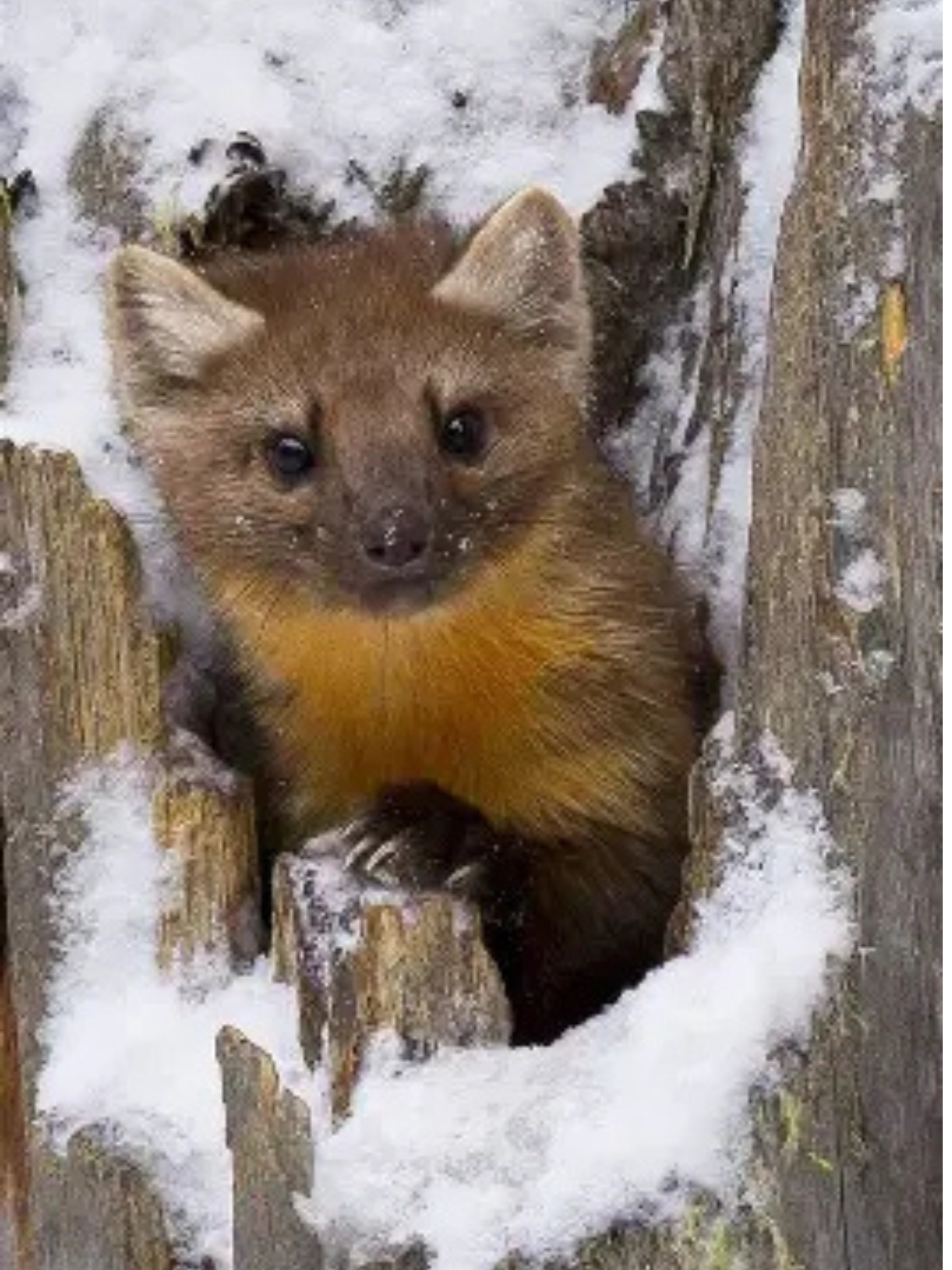
Martens are medium-sized mustelids: smaller than an otter, but bigger than a mink, with soft brown fur, a long body, and a fluffy tail. They’re built for movement, quick, light, and incredibly agile through dense fbush.
They’re also famously hard to spot. You’re more likely to find their signs than the animal itself.
Habitat and habits
Quick, quiet, and excellent climbers, martens are closely tied to forested habitat: especially coniferous and mixed forests with good canopy cover and complex structure. They’re active year-round, using downed logs, cavities, and snowdrifts to travel and hunt while avoiding predators and harsh conditions.
That’s one reason the Dumoine Valley can support a healthy population: when the forest is connected and structurally rich, martens have what they need.
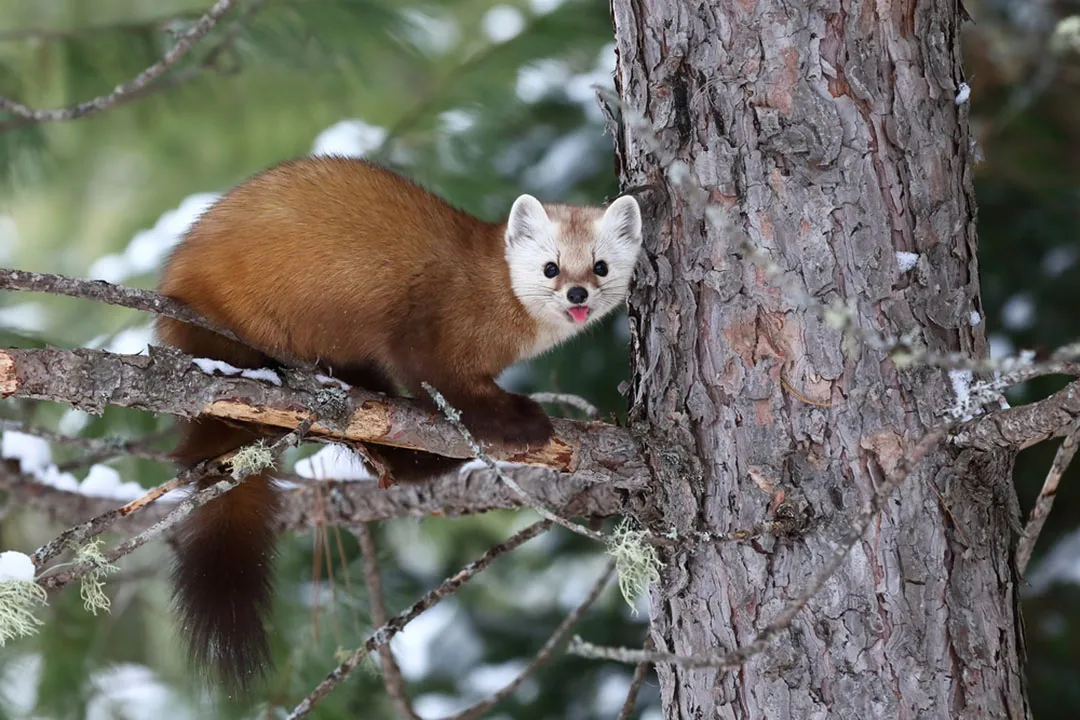
A healthy marten population is often a quiet sign of a healthy forest: connected, complex, and still functioning the way it should:
- Dense canopy / overhead cover
- Fallen logs, root wads, cavities, and woody debris (places to den, hide, and hunt)
- Reliable small-prey populations (especially voles and mice)
Winter habits: built for cold and movement
Martens stay active all winter. Instead of “hunkering down,” they travel, hunt, and use the landscape in a very three-dimensional way, above the snow, under the snow, and through forest structure.
In winter, forest complexity becomes even more important. Spaces formed by logs, treefalls, and woody debris can create snow-free (or reduced-snow) passageways and shelter. Research summaries repeatedly point to how valuable downed wood and under-snow structure can be for resting and hunting.
Martens: pest control and seed dispersal
Martens aren’t only hunters — they can also be seed dispersers.
Researchers have evaluated American martens in particular as seed dispersers by examining seeds passed through scat. They’re move seeds across the landscape and drop them far from the parent shrub, a small but real ecological service. (Hickey et al., 1999 via Alaska Department of Fish & Game)
A predator with a practical job
The marten hunts both on the ground and in trees. (The Canadian Encyclopedia) Equipped with sharp claws and flexible ankles, they can run head first down trunks. Its diet leans heavily toward small mammals (especially rodents), but it’s opportunistic and takes what the season offers: including birds, insects, carrion, and fruit. (Alaska Department of Fish & Game; The Canadian Encyclopedia)
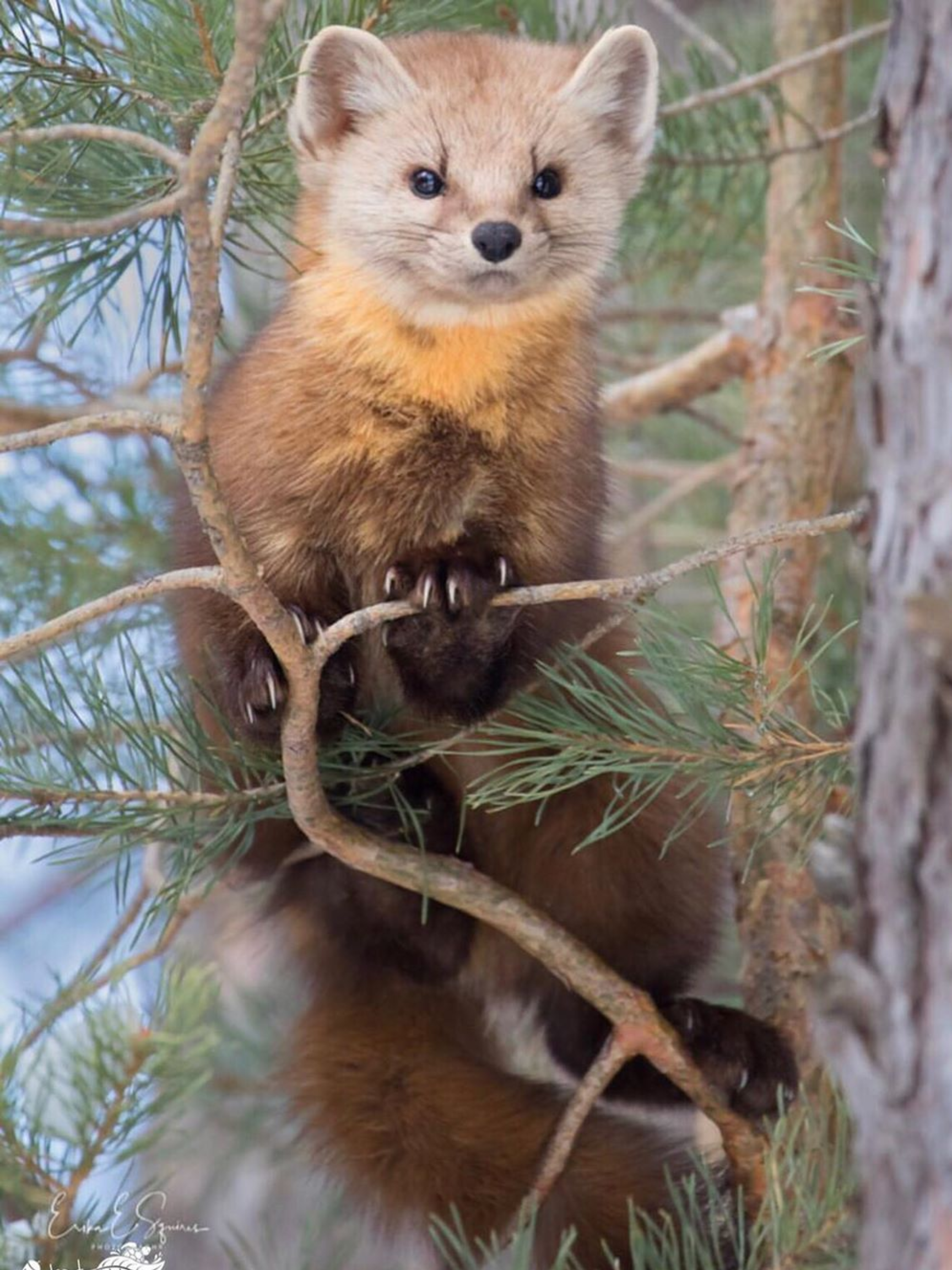
In a balanced forest like the Dumoine, predators like martens help keep small prey populations from spiking wildly. They’re one of the quiet stabilizers of a healthy ecosystem.
How to know if a marten is around
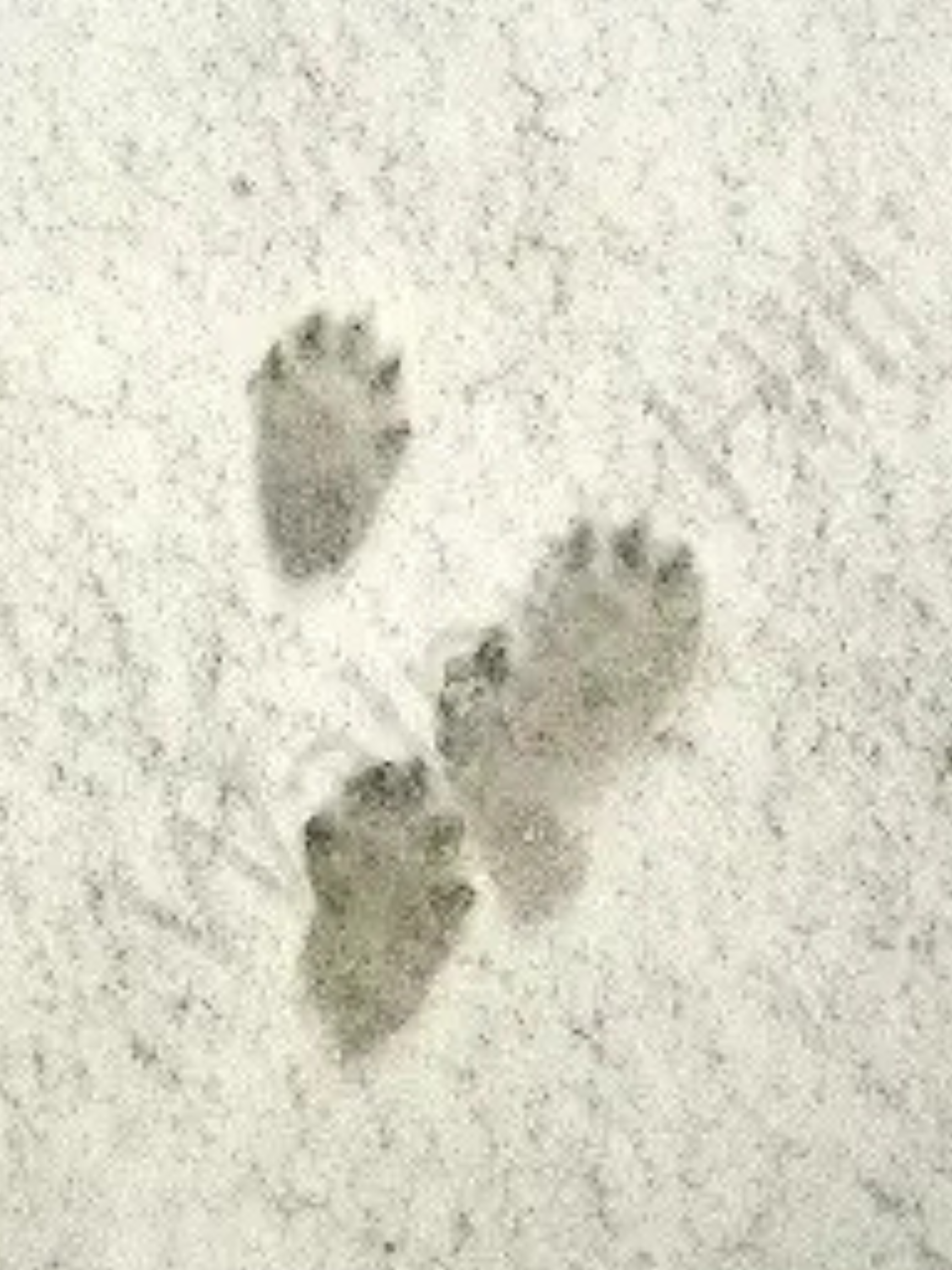
Even if you never see one, martens leave clues:
- Tracks in snow (often bounding, sometimes weaving between trees)
- Signs of travel near downed logs and tangled forest edges
- Occasional scat containing fur and small bones — and sometimes berry seeds in the right season (U.S. Forest Service)
If you’re lucky, you might catch a quick glimpse: a dark shape moving with purpose — then gone.
Why martens matter in the Dumoine watershed
A healthy marten population is a quiet indicator that a forest still has what it needs: structure, cover, functioning food webs, and enough connected habitat for wildlife to move naturally.
That overlaps directly with what Friends of Dumoine stands for: Practical Stewardship. We protect the integrity of the watershed by maintaining canoe routes, trails, campsite, and more, ensuring minimal impact on the surrounding environment, so that wildlife like the Pine Martin remain resilient for decades to come.
A “healthy population” of martens points to something worth protecting: continuous forest habitat with the structure and prey base all wildlife deserves. That’s part of what makes the Dumoine Valley special in a world where forest and wildlife like these are increasingly rare. (L’Association de l’Autotourisme et du Tourisme d’Aventure – Plan d’action Destination Aventure Témiscamingue)
Martens don’t need a “perfect wilderness.” But they do need a deep, thriving, connected forest: like the one along the Dumoine River.
If you’d like to support the Friends of Dumoine, and our mission, visit our website Friendsofdumoine.ca, where you can read more about our history, Volunteer or Donate.
Sources
- U.S. Forest Service (FEIS) — American marten ecology and habitat summaries (Martes americana)
- The Canadian Encyclopedia — American marten (diet/behaviour)
- Alaska Department of Fish & Game — American marten species information (diet and natural history)
- Alaska Department of Fish & Game — reference listing for seed dispersal paper: Hickey et al. (1999), “An Evaluation of a Mammalian Predator, Martes americana, as a Disperser of Seeds,” Oikos
- Bull (2000), USDA Forest Service — Seasonal and Sexual Differences in American Marten Diet (paper/PDF)
- GUEPE — “La martre : la mignonette de la forêt”
https://www.guepe.qc.ca/blogs/la-martre-la-mignonette-de-la-foret - L’Association de l’Autotourisme et du Tourisme d’Aventure (LASTD) — Plan d’action Destination Aventure Témiscamingue (PDF)
https://www.lasdt.com/pdf/planactiondestinationaventureTemiscamingue.pdf
Friends of Dumoine
dumoinefriends@gmail.com