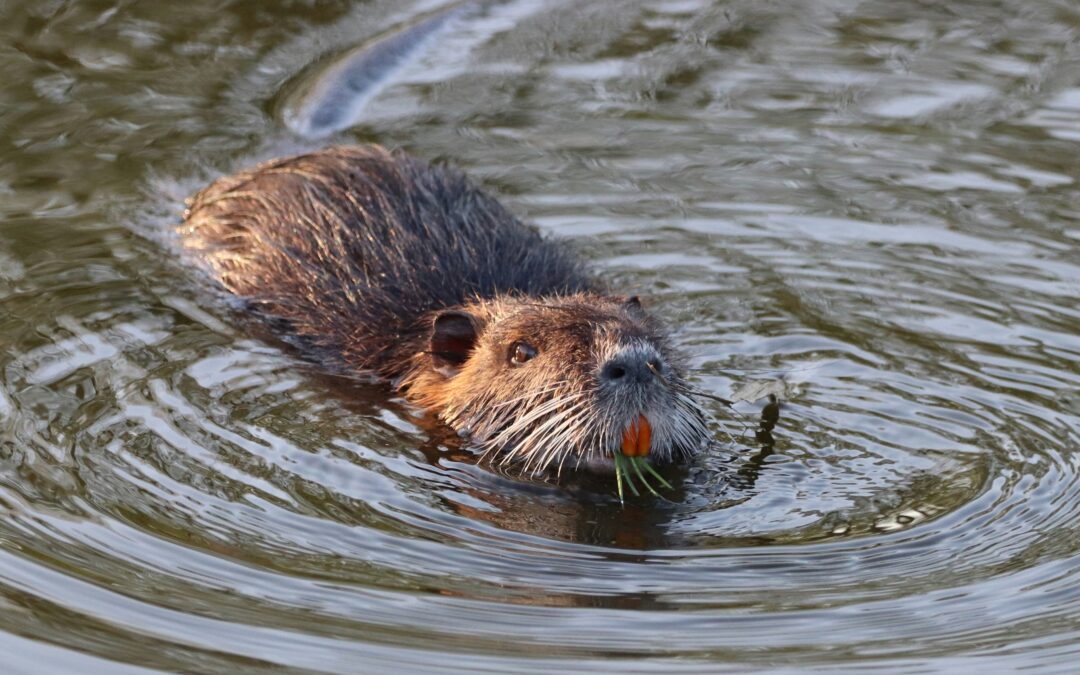
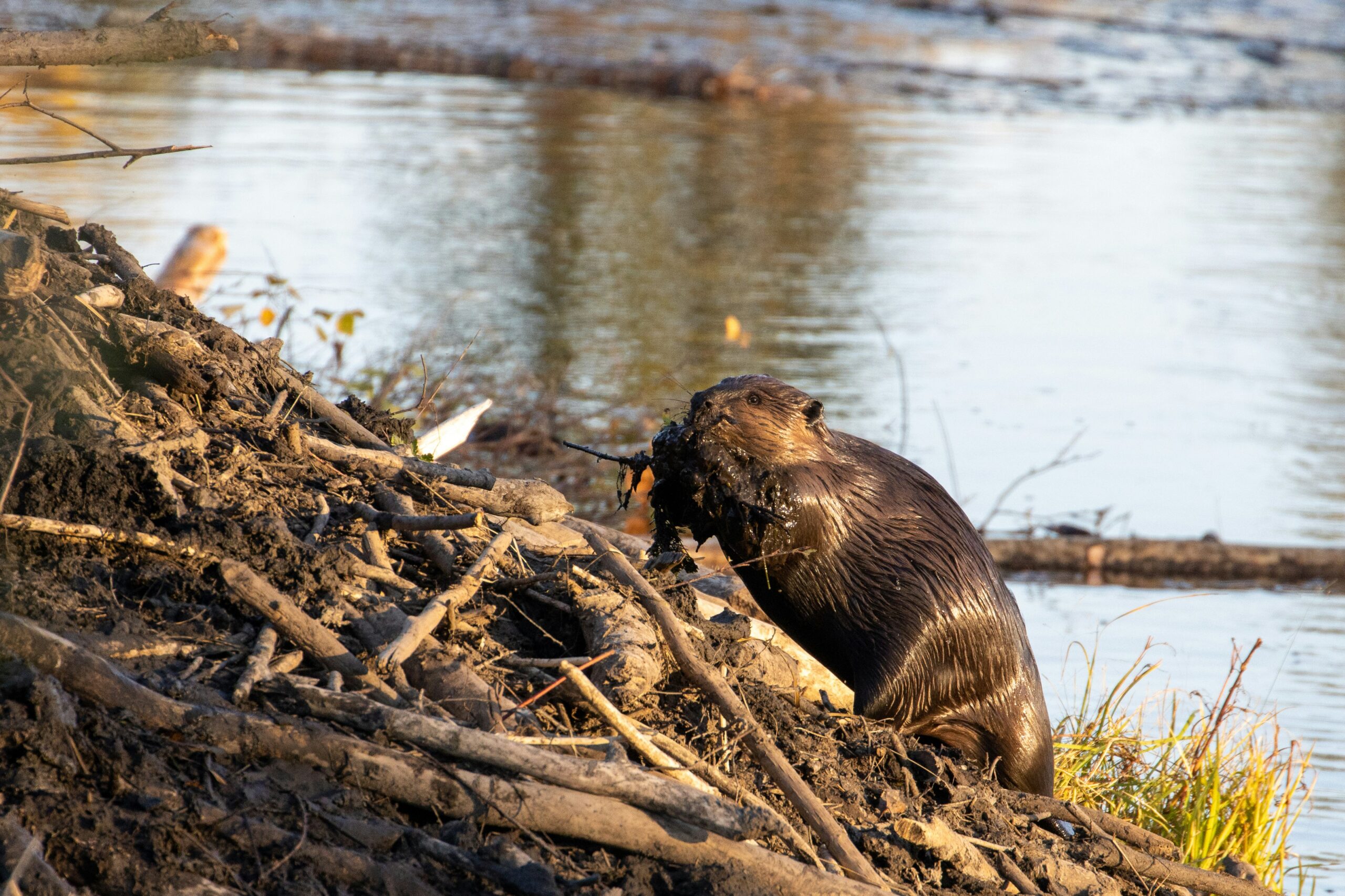
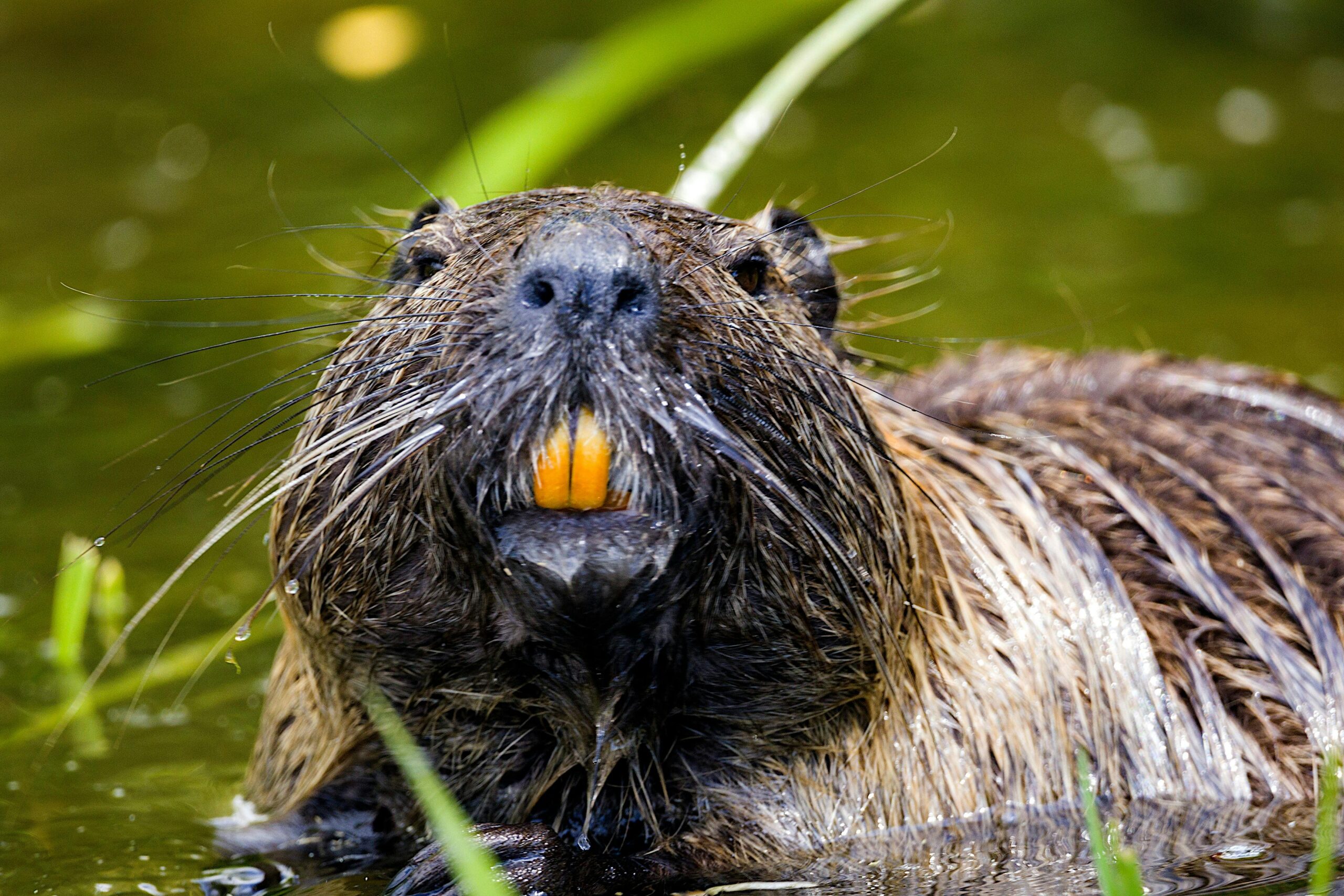
The North American beaver (Castor canadensis) is the largest rodent in North America. It lives in permanent water, streams, ponds, wetlands, and modifies those systems by building dams and lodges.
They form family groups, breed once per year (typically late winter), and can remain productive for many years. In most regions today, humans are their primary predator.
If you paddle or hike along the Dumoine, you’re travelling through beaver country. You may not see them, but their work is visible everywhere; in slow-water ponds, flooded side channels, alder thickets, and old dam remnants along low-gradient stretches of the river.
Beavers are not just residents of the watershed. They actively shape it.
How do beavers contribute to our water ways?
The Dumoine River includes long stretches ofintact forest, low-gradient tributaries, and dammable side channels, the beavers preferred habitat.
Where beavers build dams, several ecological shifts occur:
1. Water storage and flow moderation
Beaver dams slow water. That creates ponded areas that:
- store spring runoff,
- reduce downstream erosion,
- and release water more gradually during dry periods.
Extensive boreal and temperate research (e.g., Naiman et al. 1986) shows that beaver impoundments significantly alter stream flow and sediment dynamics. Changes we actively witness as the landscape slowly shifts.
Given the Dumoine’s intact headwaters and tributary structure, these effects are important to the ecological balance of the landscape.
2. Wetland creation
Beaver ponds convert narrow stream corridors into marsh-like systems.
In northern watersheds, like the Dumoine, this helps increase and maintain:
- aquatic invertebrate diversity,
- amphibian breeding habitat,
- and edge habitat used by waterfowl and mammals.
3. Nutrient cycling
Beaver activity traps sediment and organic matter, altering nutrient distribution across a floodplain.
In boreal systems like the Dumoine, this process has been shown to increase habitat complexity and productivity. The Dumoine’s relatively undisturbed riparian forests suggest that these nutrient-retention functions remain intact, highlighting the benefits of the beavers continuous presence in our watershed.
Why does this Matters Today?
1600s — The Beaver Wars
European demand for beaver pelts reshaped northeastern North America.
The Beaver Wars (17th century) involved the Haudenosaunee (Iroquois Confederacy), Wendat, Algonquian nations, and European powers. Control of fur trade routes was central.
The Dumoine lies north of the Ottawa River main trade corridor. Historical accounts indicate it was used as a detour to avoid high-conflict areas while the Ottawa River was under Iroquois control. The beaver ecological importance was not symbolic at this stage. It was economic power that held its reputation.
1700s – 1800s: Population Decline
The beavers worth created fierce competition among Native Amrican tribes, driven by European rivalries, and led to mass trapping, higher rates than ever before in this region. This heavy trapping caused by the European fur trade, drastically reduced beaver populations across the Great Lakes and St. Lawrence regions.
Later pressures included:
- continued harvest,
- habitat clearing,
- and water contamination during industrialization.
In parts of the Great Lakes basin, beavers disappeared entirely by the late 19th century.
1900s – 2000s: Gradual return
Improved wildlife regulations, reduced trapping pressure, and cleaner waterways contributed to widespread beaver recovery across much of Ontario and Quebec.
In other Great Lakes regions (e.g., Detroit watershed), beavers were believed to be extinct, the last sighting being in 1877. After 130 years, the beaver reappeared along the rouge in 2008. The beavers returned after more than a century after the beaver wars, thanks to gradual water quality improvement.
The Dumoine, which avoided industrial urbanization and retained large tracts of forest, provided suitable habitat for sustained beaver presence and recovery.
It’s been only around 20 years since beavers have begun to flourish again in North America, and their important ecological contributions are beginning to reappear along our waterways.
These fragile ecosystems depend highly on human stewardship and sustainable practices for conservation. Over these past 20 years, organizations such as Friends of Dumoine have increasingly appeared, with the goal of conservancy. Not only do organizations like ours contribute to habitat rehabilitation, we ensure the future generations of our aquatic and woodland animals flourish.
Our Beavers – Our Commitment
Beavers are not just “common wildlife.” In relatively intact northern systems like the Dumoine, they:
- increase wetland area,
- buffer water extremes,
- diversify habitat structure,
- and support broader food webs.
Their presence is a functional indicator of:
- connected riparian forest,
- reliable water quality,
- and low-fragmentation landscapes.
Not only does unregulated human activity jeopardize the water quality and food source, it can effect the beavers way of sustainability. if pollutants, particularly oil products, contaminate water, it compromises the waterproof outer layer of their fur, creating unhealthy buildup, reducing insulation ability and increasing mortality risk. Clean water is not optional for them.
Protecting water quality protects the ecological engineers of the watershed.
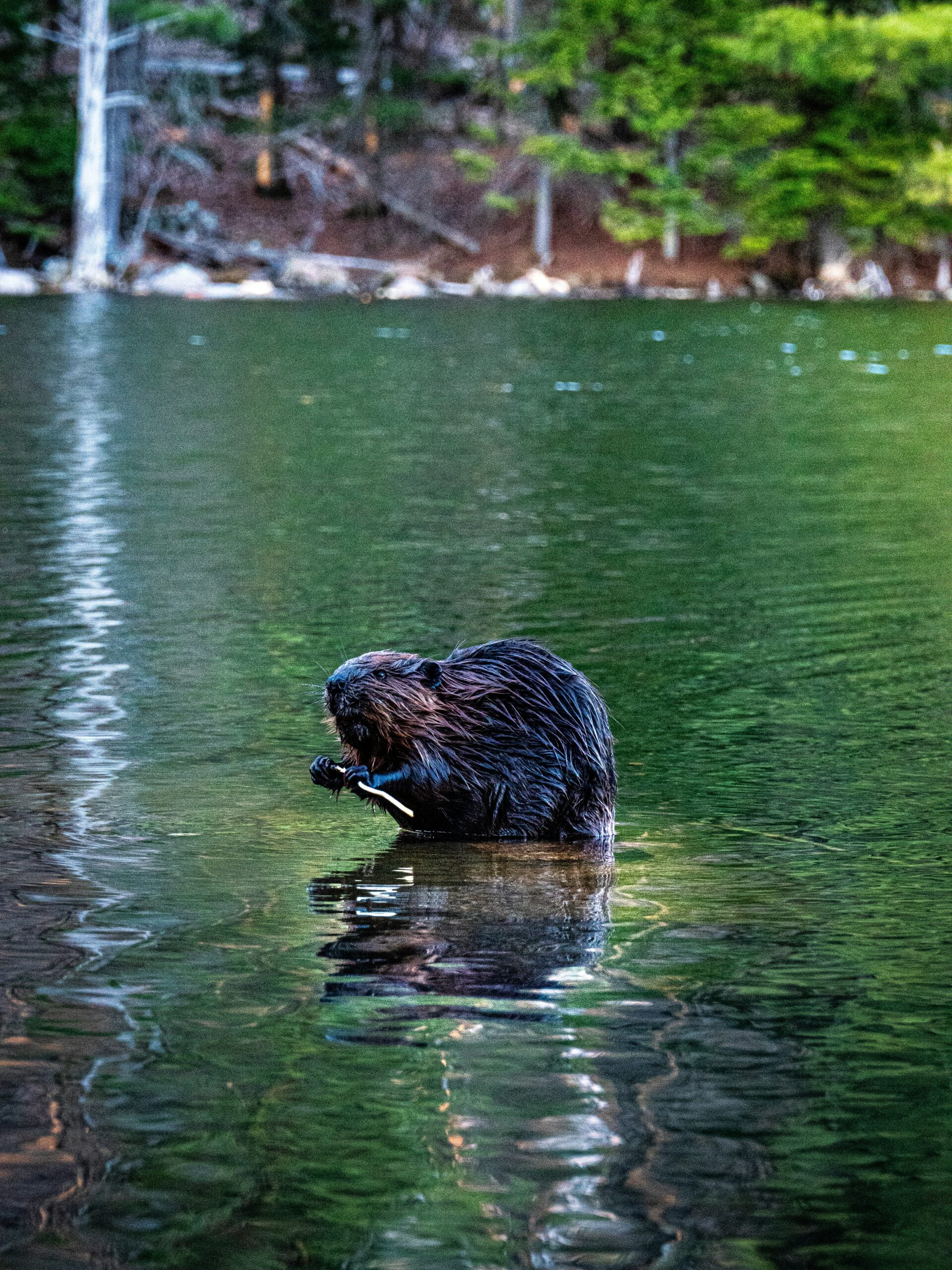
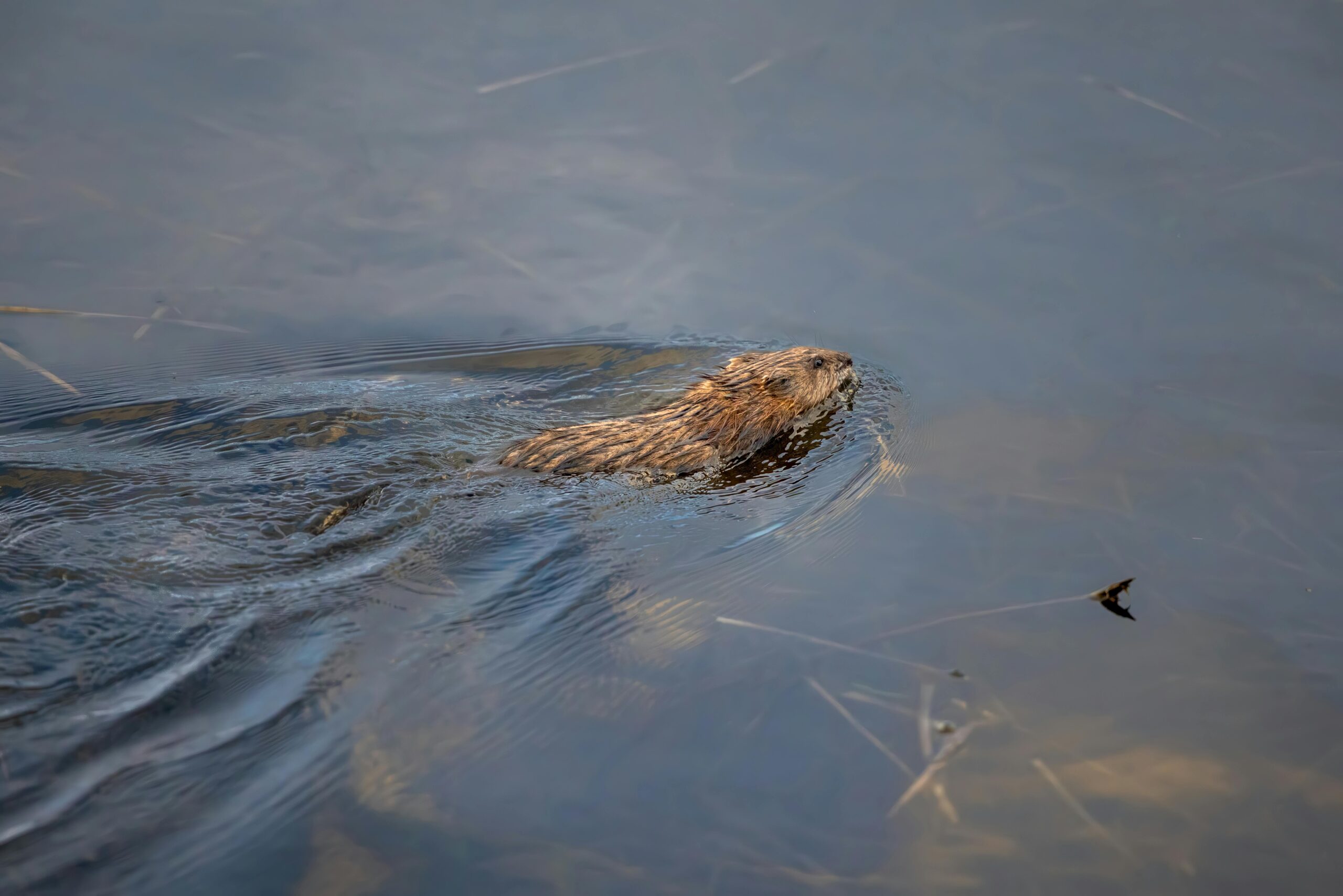
The beaver shaped trade routes, influenced territorial conflict, and helped define early Canadian economic history. It is now a national symbol.
In the Dumoine Valley, it remains something more practical:
a species that builds resilience directly into the watershed.
Protecting the Dumoine means protecting the processes that keep it functioning, and few species influence those processes more than the beaver.
Seeing them (if you’re lucky)
Beavers are most active at dawn and dusk.
Look for:
- fresh cut saplings near slow water,
- dam structures in tributaries,
- and calm, reflective pond sections along otherwise moving water.
How to get Involved
Friends of Dumoine is driven by our commitment to keeping the river clean and fresh. The preservation of wildlife and ensuring quality of life. Our beavers heavily depends on it.
Volunteer / trips/ Membership
If you would like to get involved in the preservation and management of the Dumoine Watershed, consider becoming a Member with Friends of Dumoine, Donating or participating/volunteering in our cleanup programs and educational trips.