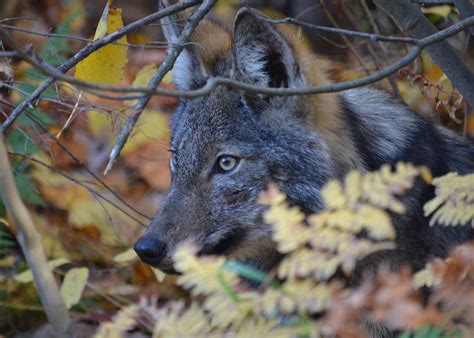
The Algonquin Wolf reminds us that some of our most iconic wildlife still depends on large, connected and quiet forests. With a small population and ongoing human pressures, the future of the Algonquin Wolf comes down to the choices we make about protection, habitat, and how we choose to share the land.
What is the Algonquin Wolf?
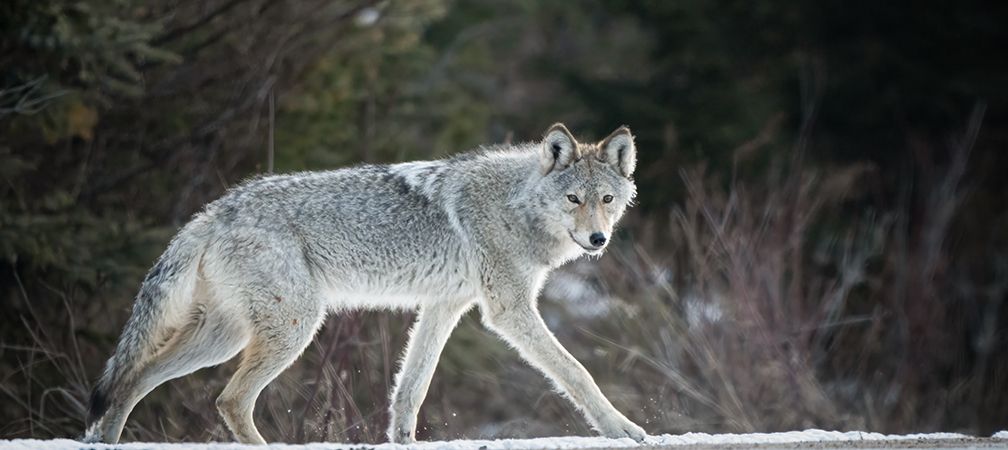
One of the challenges with public understanding and management, is that you often can’t confirm an Algonquin Wolf by sight alone. The Algonquin Wolf is generally larger than coyote-like canids and smaller than grey wolf–type canids. COSSARO notes that the reliable identification of the Algonquin Wolf “requires genotypic data,” due to overlapping similarities in size and appearance (coloration and markings).
Population stats:
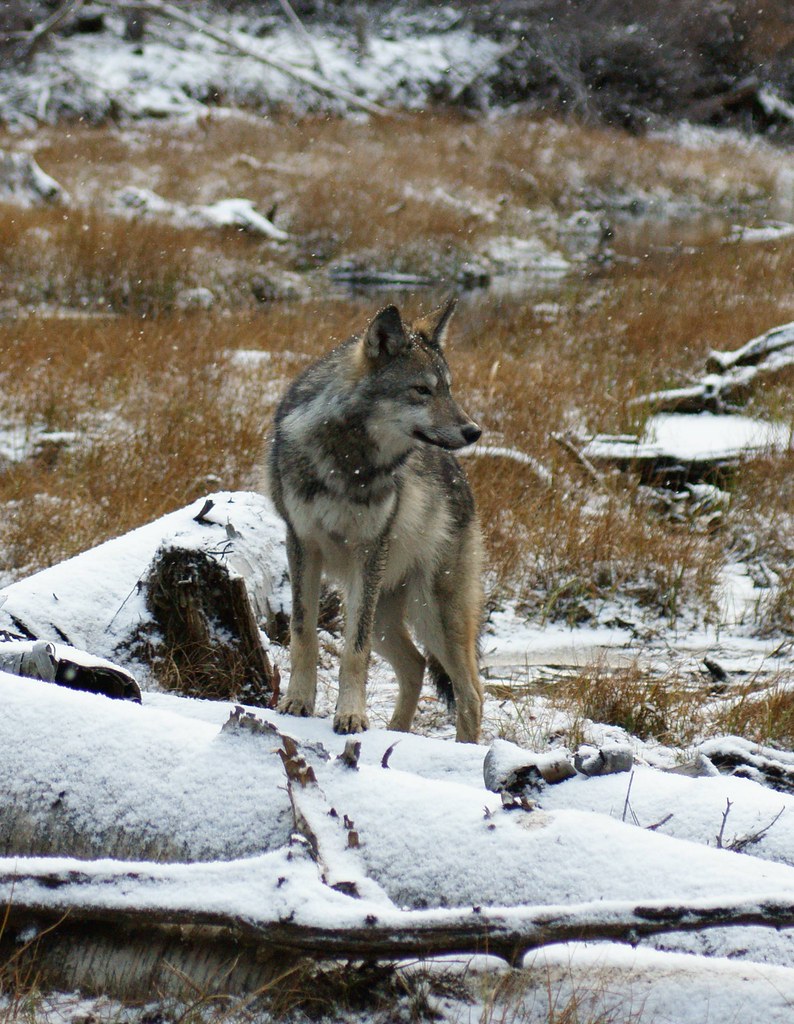
Ontario’s Algonquin Wolf population is estimated at fewer than 500 mature individuals according to COSEWIC (Committee on the Status of Endangered Wildlife in Canada). These estimates vary depending on method and sampling, but regardless, a very small number of the species remain for such a wide-ranging animal. These statistics have influenced the Committee on the Status of Species at Risk in Ontario (COSSARO ), the Committee on the Status of Endangered Wildlife in Canada (COSEWIC), as well as the province of Ontario, to list the Algonquin Wolf among threatened species.
The future of the Algonquin Wolf
Although Ontario has listed the animal as threatened, it still lives in wild areas of the province, and so isn’t considered endangered yet. The Algoquin Wolf is likely to become endangered if the main causes of population decrease aren’t addressed. Both COSSARO and COSEWIC support treating the Algoquin Wolf as a protectable “species” under Ontario’s Endangered Species Act because it represents a genetically distinct, native population in Ontario.
Why is population decreasing?
The biggest risks are not mysterious – they’re practical and human-driven:
-
Hunting and trapping outside protected areas, especially where road networks increase access
-
Disease (including rabies or mange) and competition with other canids
COSEWIC also notes that high mortality outside protected areas can disrupt pack structure and dispersal, and may increase the chance of hybridization where mates of the same kind are harder to find.
Protections
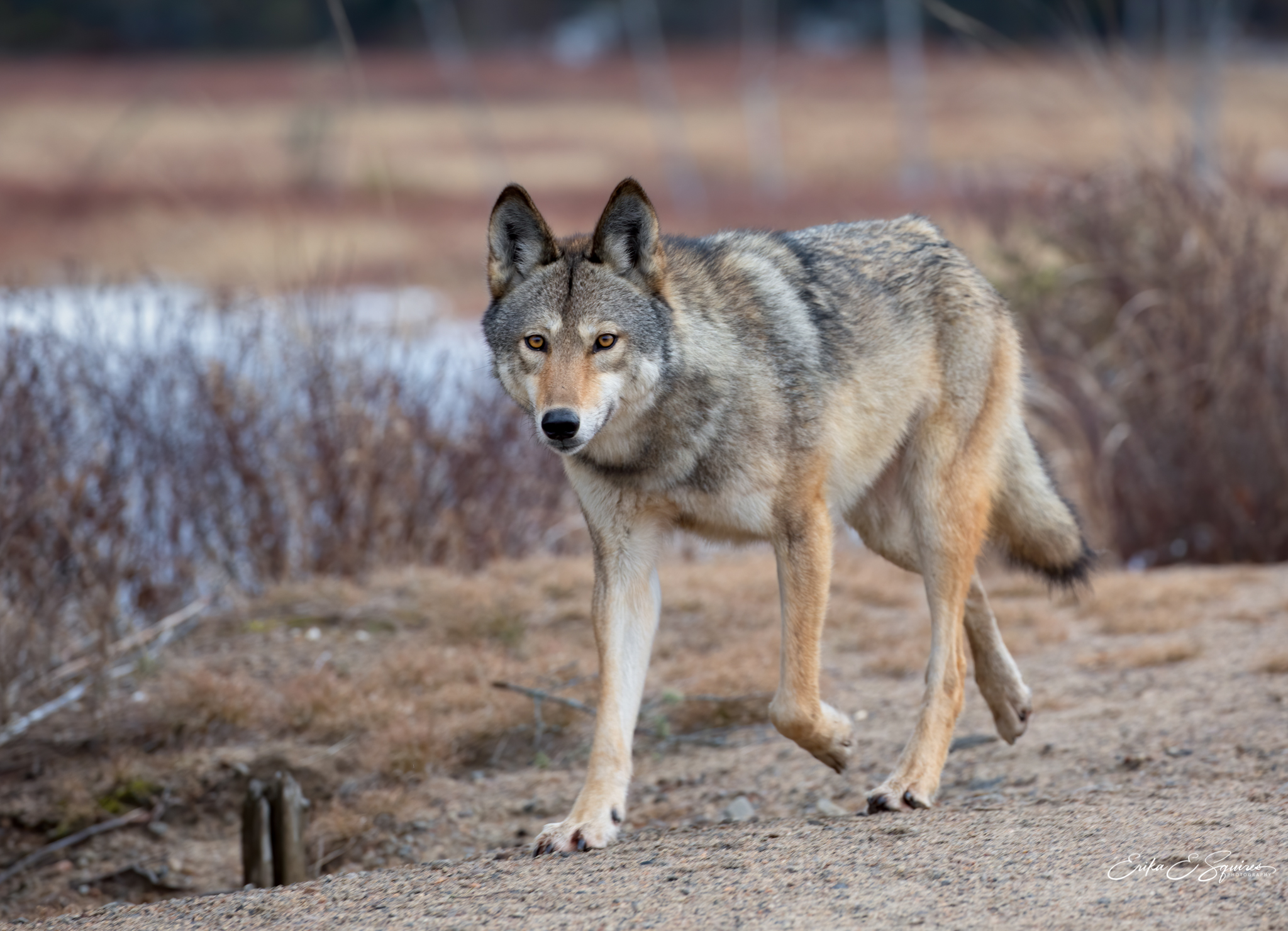
Ontario’s Endangered Species Act provides legal protection for the Algonquin Wolf and its habitat, and Ontario publishes a core occurrence map where hunting and trapping of wolves and coyotes is prohibited. At the same time, Ontario notes that outside these core areas, there are exemptions that can allow hunting and trapping, as long as it follows Ontario’s broader fish and wildlife rules; one reason ongoing stewardship and public awareness still matter.
What YOU can do to help !
– Report sightings to Ontario’s Natural Heritage Information Centre (NHIC), including through iNaturalist’s “Rare Species of Ontario” project.
– Report illegal activity involving wildlife to Solve a natural resource case | ontario.ca.
– Support conservation groups doing practical, on-the-ground work that keeps large forest regions connected and reduces avoidable mortality, like our partners : Zec Dumoine, CPAWS-OV, Wolf Lake First Nation, and ourselves; Amis de la Dumoine | Friends Of Dumoine | Champion the Conservation of the Dumoine River.