History & Current Status

History
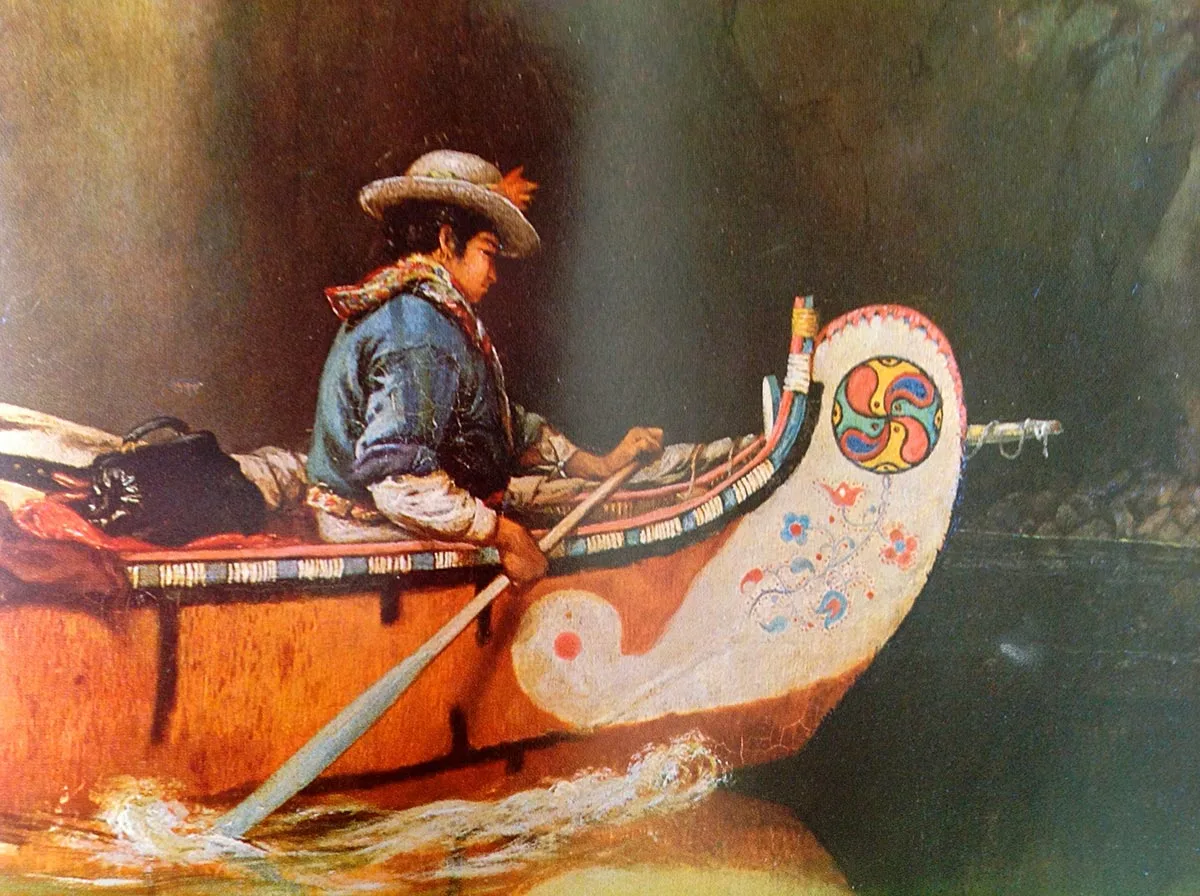
The Dumoine River is a historic canoe route, flowing through the heart of the Algonquin Nation territory, which has been used from time immemorial by Algonquins and other First Nations. It was used as a route to paddle north to James Bay; east to the Saint-Maurice and Lac Saint-Jean watersheds; west to Temagami and Lake Superior watersheds; and, south, then east, to the St. Lawrence, or west to the Mississippi River watershed.
During the Beaver Wars of the 1600s, when the Iroquois controlled the Ottawa River trade route, the Dumoine was used as a regular detour to avoid the Iroquois while travelling to the St. Lawrence.
The source of the Dumoine River is at Lac Machin in La Vérendrye Wildlife Reserve. It flows 125 km south from the boreal forests, off the Canadian Shield, and into the Great Lakes, St. Lawrence forest region. The Dumoine’s watershed is 5,380 sq. km in area. Its major tributaries are the Fildegrand, l’Orignal, and
The Dumoine Anishinaabe families were the original custodians of this river. Their descendants are predominantly found today in the Algonquin communities of Wolf Lake and Kebaowek. For centuries, the Dumoine watershed was their hunting territory, a fact protected by Algonquin customary laws. Today’s Wolf Lake elders advised Friends of Dumoine that their traditional name for the river was Akonakwasi Sibi and lac Dumoine was Kiwe’gom Sagahigan.
In the 1680s, a European trading post (first French, then British) was strategically placed on the Ottawa River, at the mouth of the Dumoine, to intercept families coming out of the watershed to trade their winter furs. Other independent traders went up the Dumoine to trade.
In the 1800s, Oblate priests traveled up the Dumoine to a mission on Grand Lac Victoria to convert/work with the Algonquins. This is probably where the current name
In 1840, loggers began cutting and squaring the giant white and red pines along the river. Squared timbers were easier to form into rafts and then disassemble and fit into the hulls of ships destined for Britain. By 1870, spurred on by the creation of new mills at Chaudière Falls in Bytown, tree-cutting had advanced beyond Lac Dumoine. In 1871, the longest timber slide in the world was built to move squared timbers around Grande Chute. The last squared timbers were cut on the Dumoine in 1905. Attention had now shifted to the cutting of short softwood logs for the pulp and paper industry.
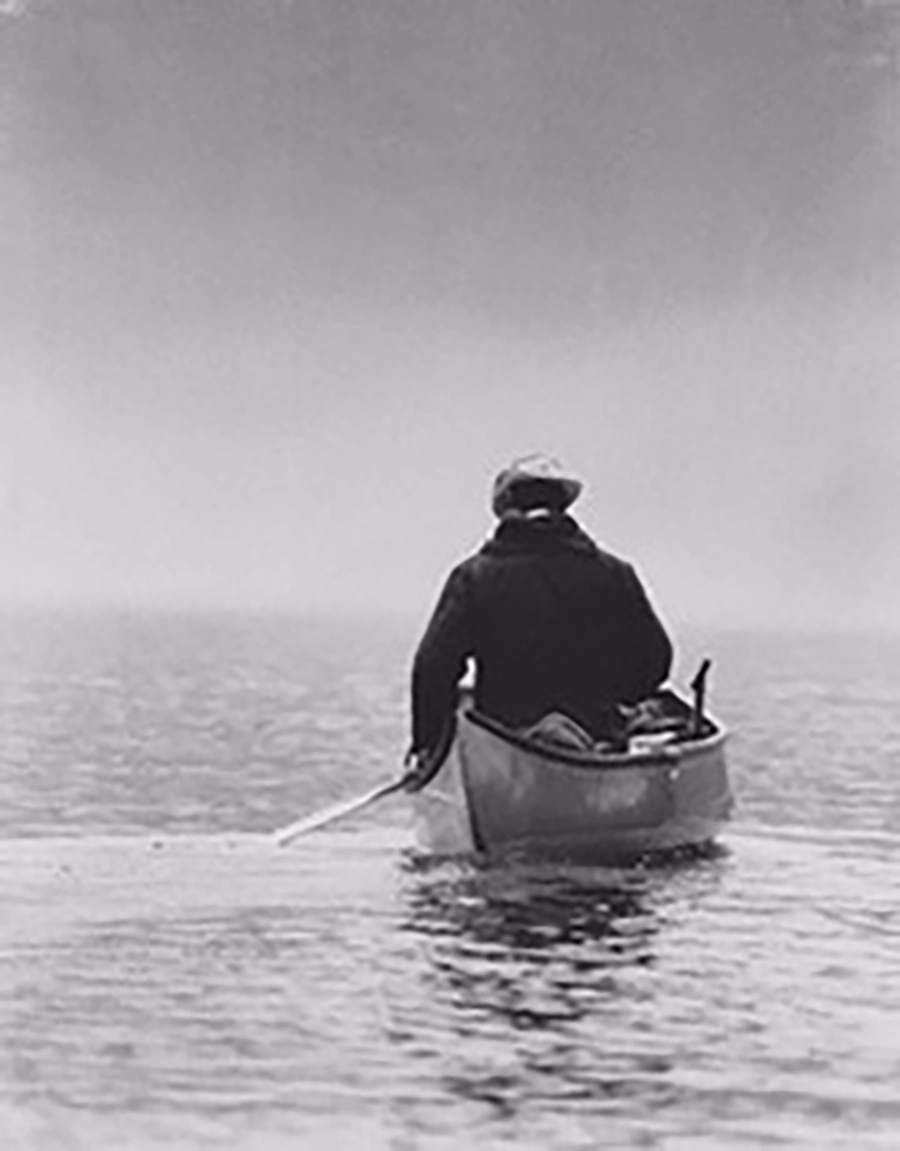
By 1880, the Dumoine Algonquin families were forced to migrate north, west or south to find a way to make a living, as traditional hunting and trapping had been severely affected by the logging industry.
Today, the Dumoine is a renowned whitewater canoeing river. It serves as the political boundary between Pontiac and T
In 2008,
Current Status
In 2023, the Canadian Parks and Wilderness Society (CPAWS) lobbied successfully to get the Coulonge and Noire rivers protected as aquatic reserves. Together, the three rivers are now known as The Three Sisters.
CPAWS and Friends of Dumoine are currently lobbying the Quebec government to add the Fildegrand, Poussière, Kipawa and L’Orignal rivers to the Dumoine Watershed Aquatic Reserve.
The Dumoine Aquatic Reserve not only protects pockets of old growth forest and unique aquatic and land-based plants, but also acts as a corridor for large and small mammals and birds to migrate between Algonquin Park, the Ottawa River and the La Vérendrye Wildlife Reserve. Visit the CPAWS Ottawa Valley website for more details.